

Thank you to our advertisers


Recent News
View all-
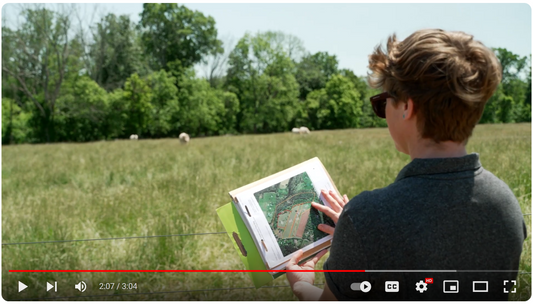
The Higher the Performance, the Higher the Payment
Please take a moment to enjoy this video featuring one of our members, Diane Gunson and Roger Prince in New Jersey.
The Higher the Performance, the Higher the Payment
Please take a moment to enjoy this video featuring one of our members, Diane Gunson and Roger Prince in New Jersey.
-

Fall 2023 British White Quarterly
We are excited to announce the release of the Fall 2023 British White Quarterly! Featuring coverage of the 2023 Annual Meeting in Paris TX, Junior Association News, the BWCAA Promotional...
Fall 2023 British White Quarterly
We are excited to announce the release of the Fall 2023 British White Quarterly! Featuring coverage of the 2023 Annual Meeting in Paris TX, Junior Association News, the BWCAA Promotional...
-
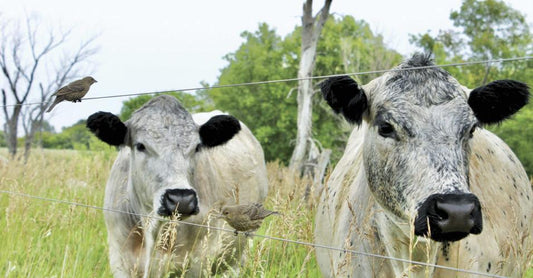
Progressive Cattlemen Features British White Ca...
Progressive Cattlemen, a Western states magazine, published a feature on October 8, 2023 entitled "British Whites and grass-fed beef: A match made in the pasture," featuring British White cattle and...
Progressive Cattlemen Features British White Ca...
Progressive Cattlemen, a Western states magazine, published a feature on October 8, 2023 entitled "British Whites and grass-fed beef: A match made in the pasture," featuring British White cattle and...



Featured Classified Listings
-
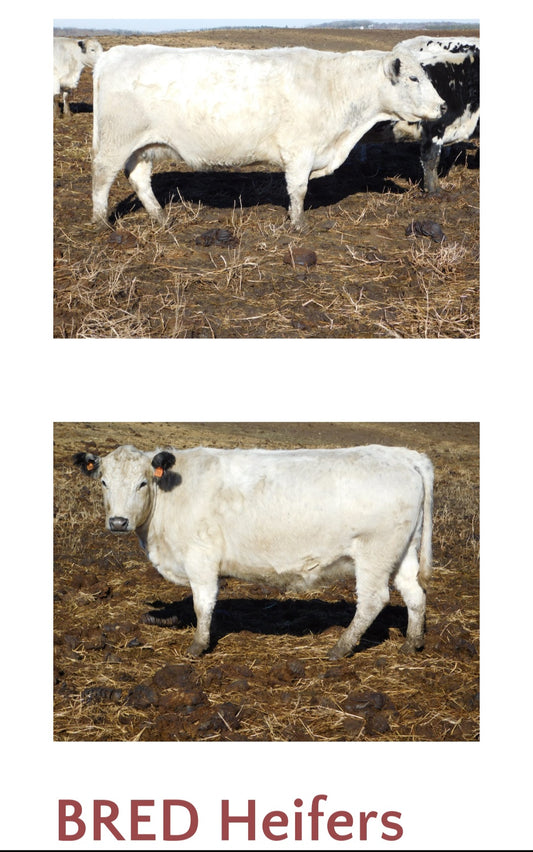
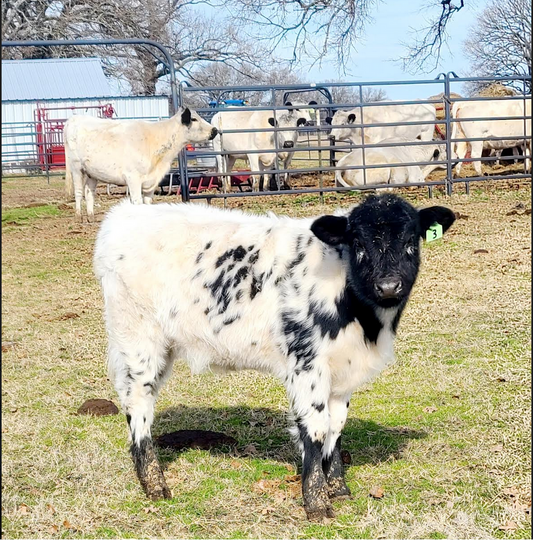
Heifer Calves
Regular price $0.00 USDRegular priceUnit price per -
Boles Jazaam Hefier
Regular price $0.00 USDRegular priceUnit price per -
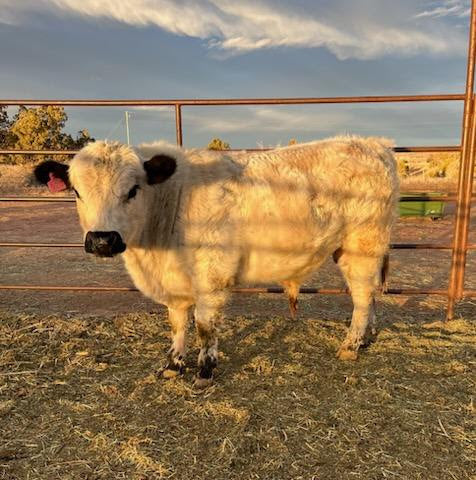
Bull for Sale
Regular price $0.00 USDRegular priceUnit price per -
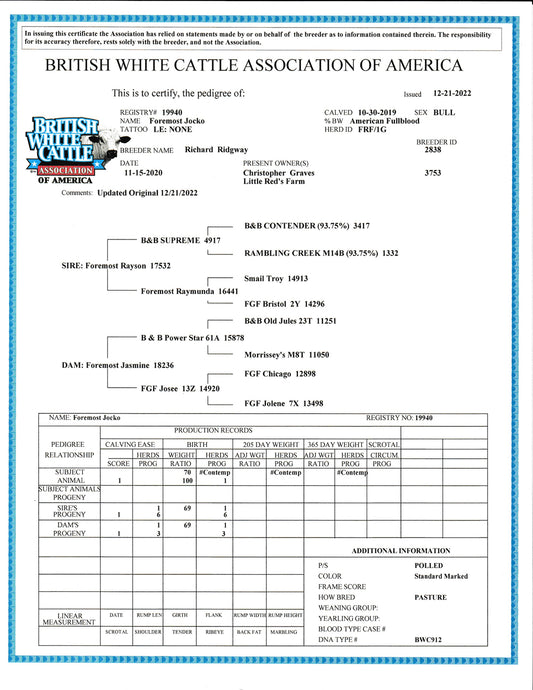
Foremost Jocko - Semen
Regular price $0.00 USDRegular priceUnit price per -
Yearling non-exposed Heifers
Regular price $0.00 USDRegular priceUnit price per -
Aurora Congo - Semen
Regular price $65.00 USDRegular priceUnit price per -
NT Sundancer 107Y - Semen
Regular price $125.00 USDRegular priceUnit price per -
SC Copy That - Semen
Regular price $125.00 USDRegular priceUnit price per -
4th Generation Bull
Regular price $0.00 USDRegular priceUnit price per